Published on 27 November 2025
Experts Highlight Key Reforms in “Badal Do Nizam – Part II” Session at All Pakistan Ijtima
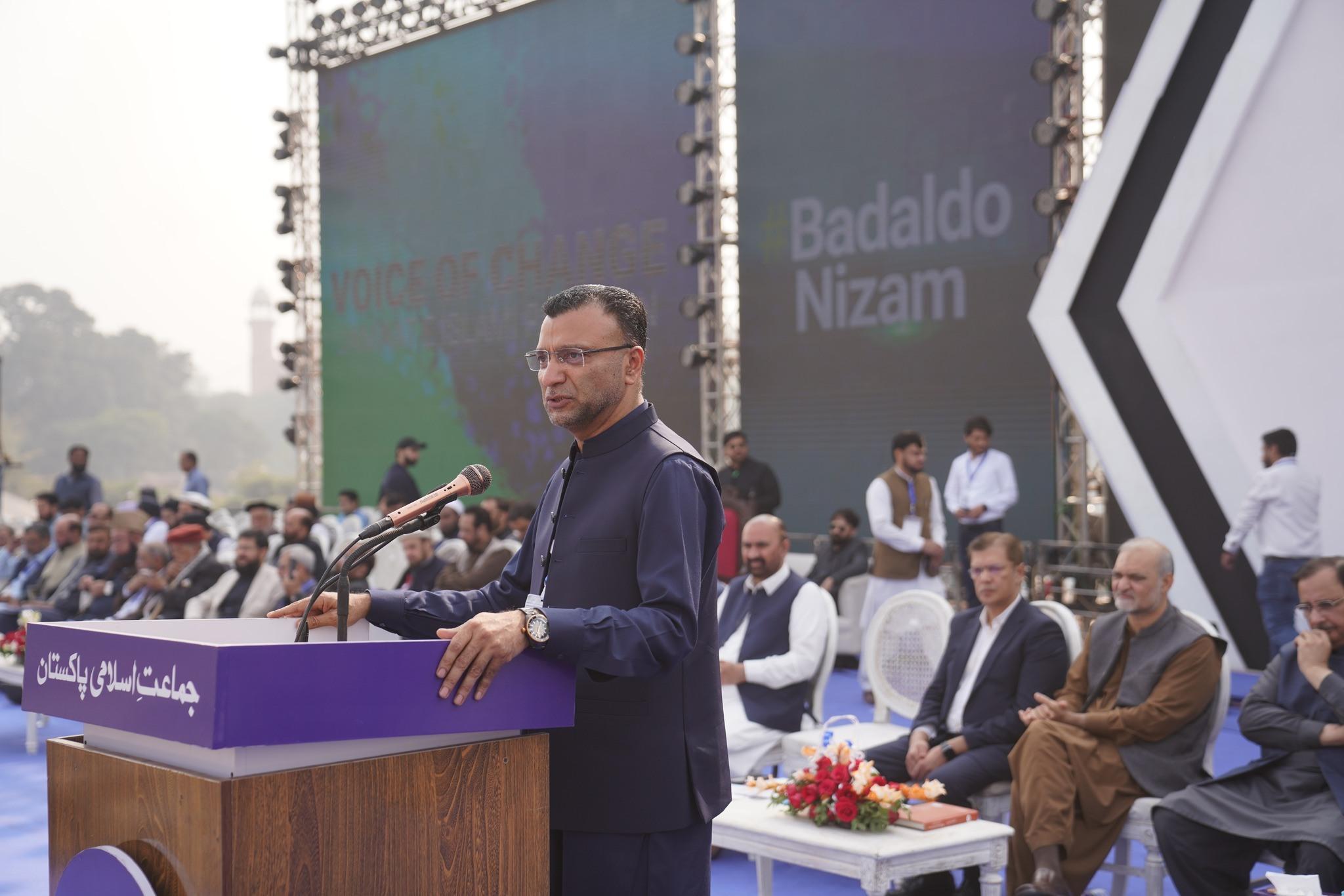
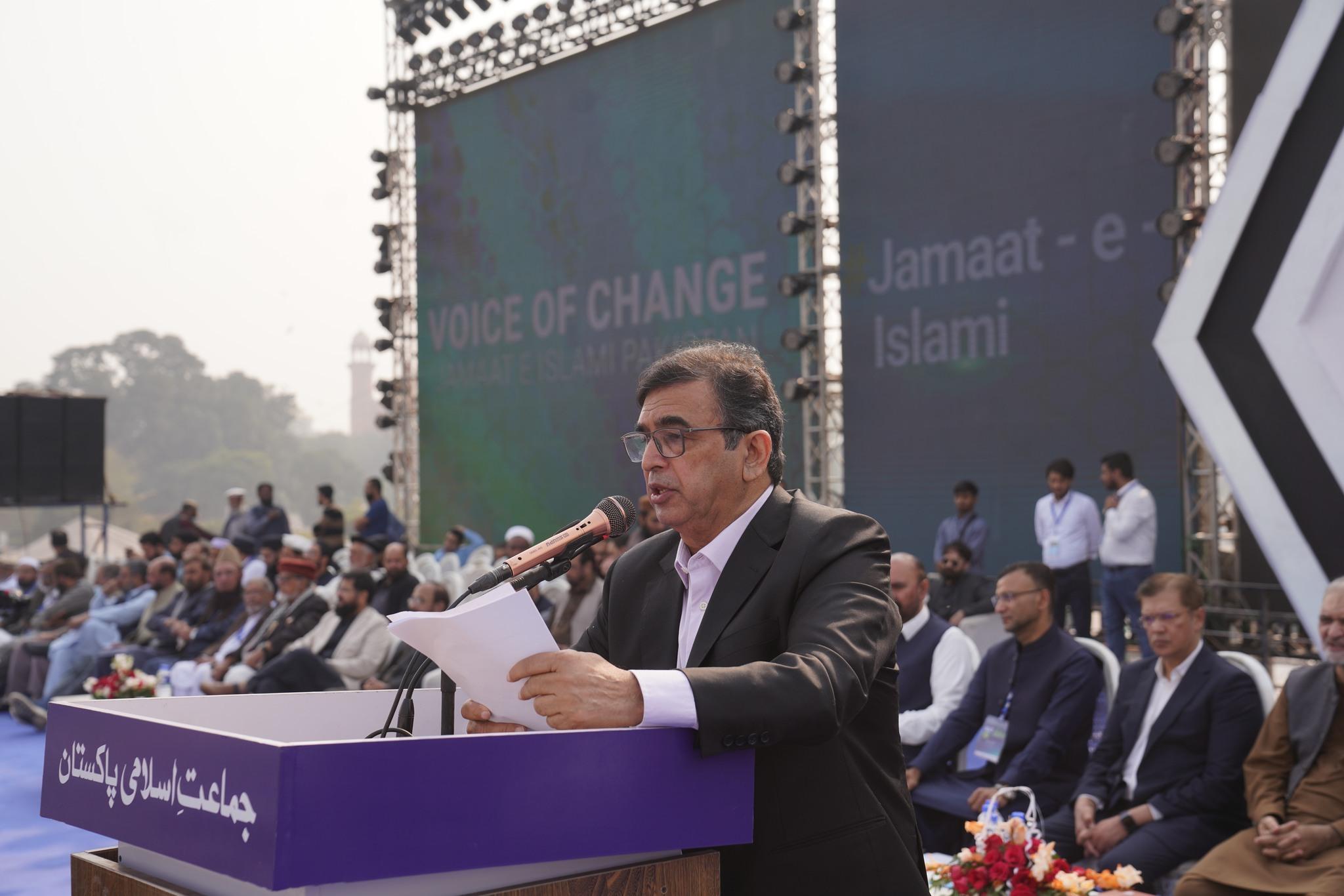
During the second day of the All Pakistan Ijtima, prominent national figures including PILDAT Chairman Ahmed Bilal Mehboob, NLF President Shams-ur-Rehman Swati, agricultural leaders, and industrial experts addressed the “Badal Do Nizam – Part II” session. They discussed critical issues in governance, labor rights, agriculture, and industry while presenting comprehensive and practical solutions.
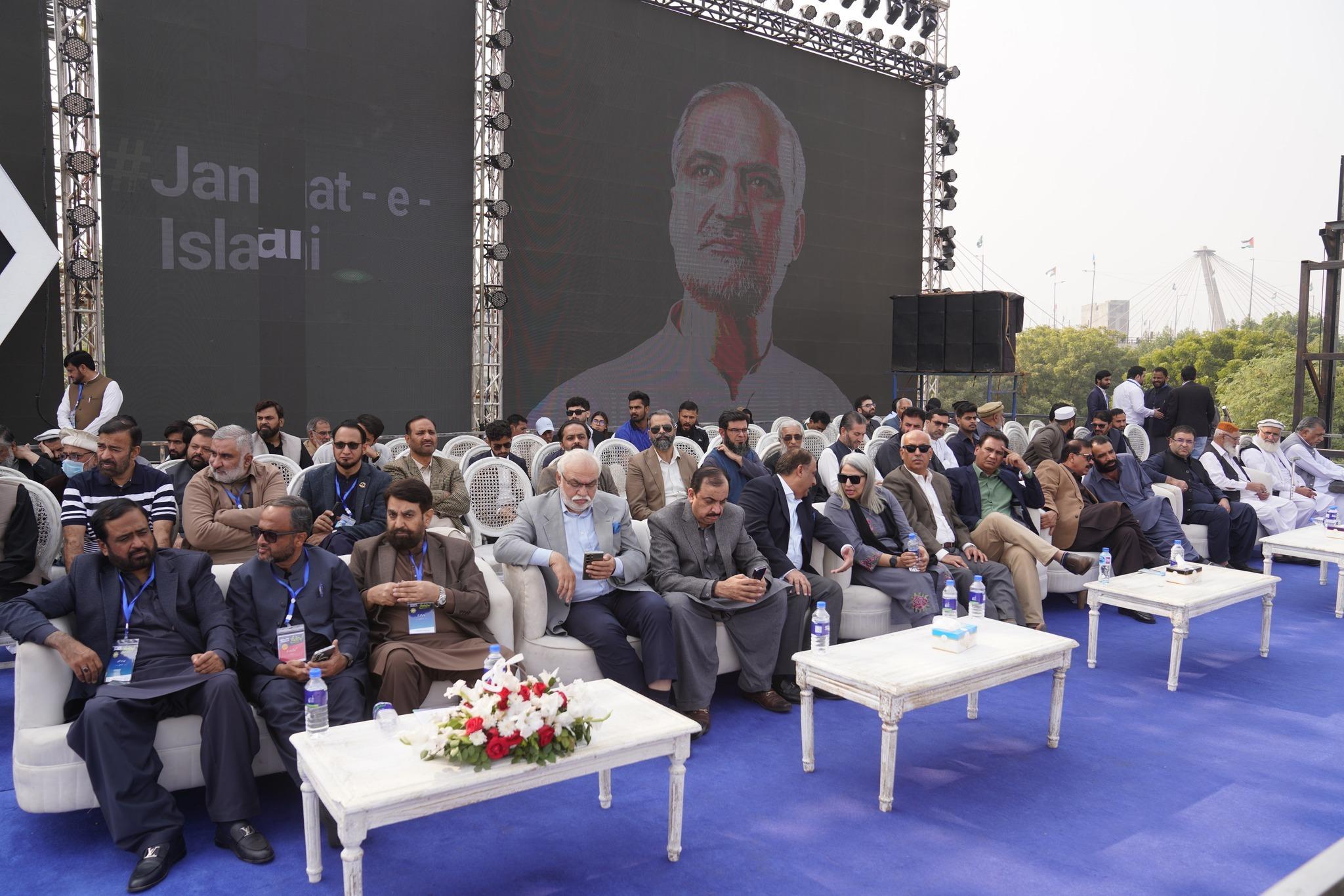
On the second day of the All Pakistan Ijtima, a significant and insight-rich session titled “Badal Do Nizam – Part II” was held, featuring leading experts from multiple sectors of national importance.
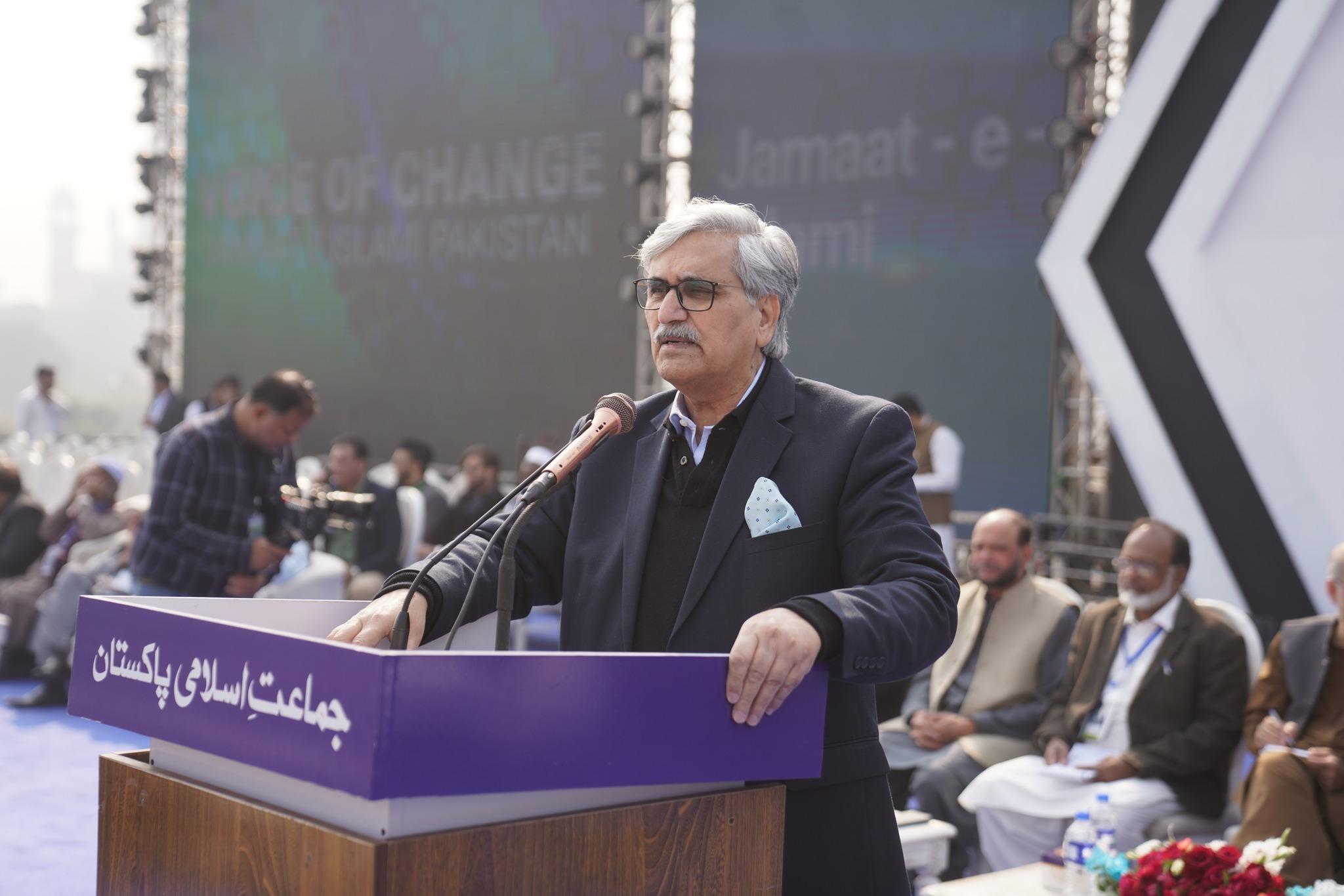
Chairman PILDAT Ahmed Bilal Mehboob opened the session by presenting a detailed analysis of Pakistan’s local government structure. He emphasized the crucial role of empowered local bodies in strengthening governance, delivering public services efficiently, and ensuring democratic continuity. Mehboob highlighted the structural flaws in Pakistan’s current local government framework and outlined the reforms needed to make it effective, stable, and people-centric.
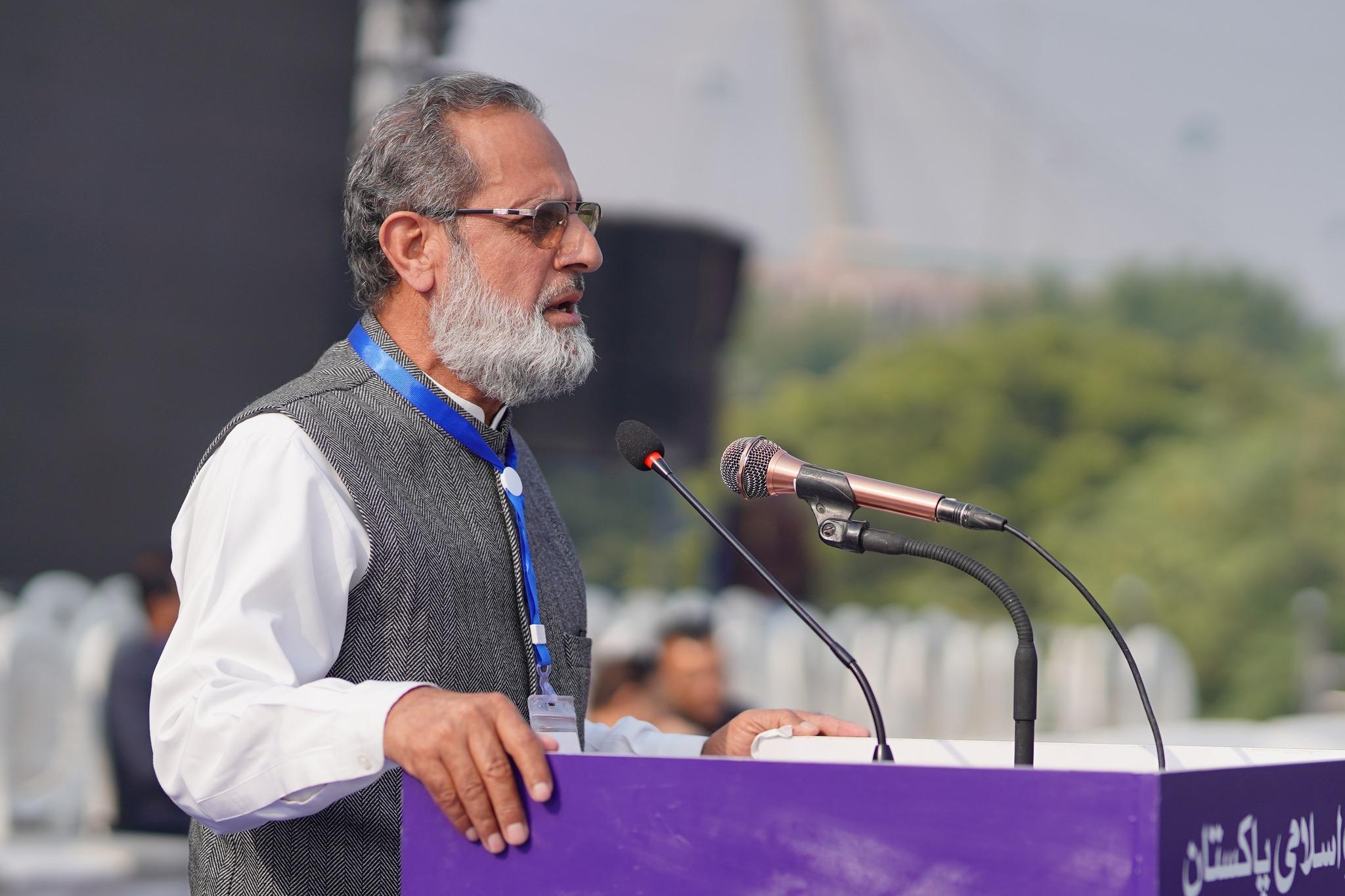
Following this, President National Labour Federation (NLF) Shams-ur-Rehman Swati addressed the audience on the challenges faced by the labor class. He shed light on issues such as unsafe working conditions, stagnant wages, lack of social security, and exploitation of workers. Swati presented a roadmap for strengthening labor unions, ensuring labour rights, and creating a fair and dignified environment for Pakistan’s workforce.
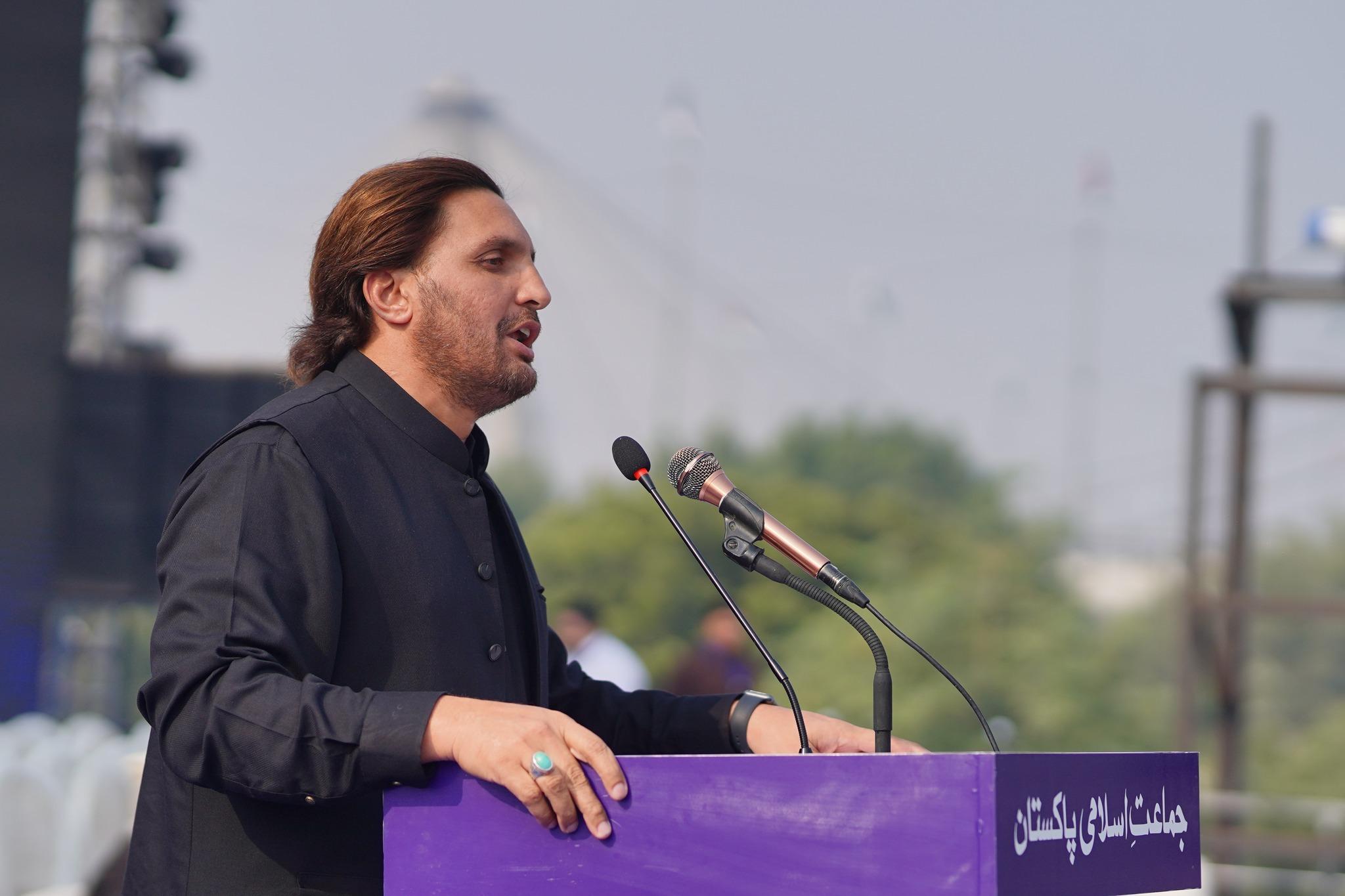
Representing the agriculture sector, Ameer Jamaat-e-Islami Bahawalnagar Arslan Khan Khakwani and President Kisan Board Pakistan Sardar Zafar Hussain spoke about the agricultural crisis. They identified core issues including rising input costs, water shortages, middleman exploitation, and insufficient government support. Both leaders put forward practical suggestions to boost agricultural productivity, empower small farmers, and safeguard food security.
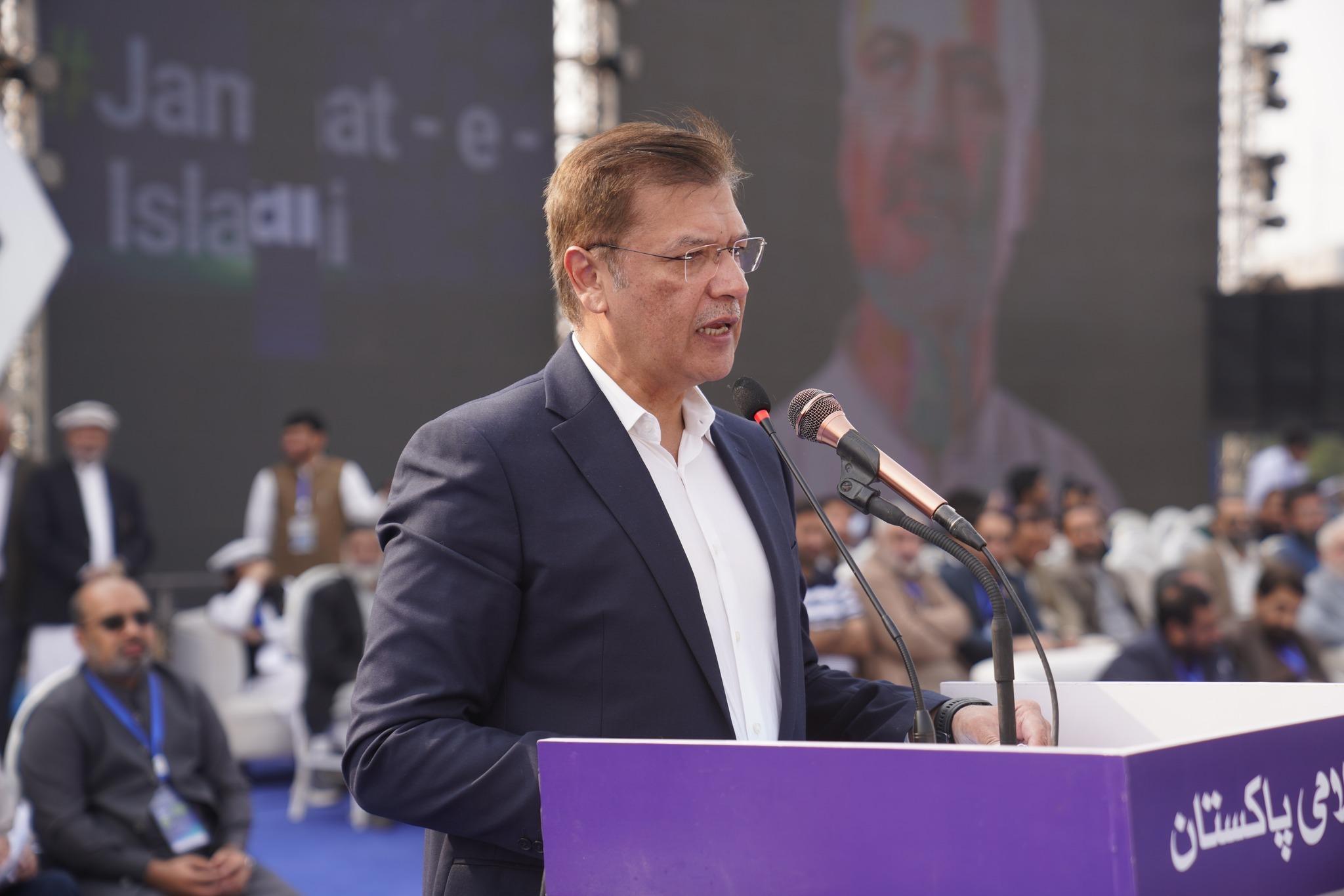
Industrialists and economic experts also contributed to the session, highlighting the pressing challenges faced by Pakistan’s industry and overall economy. They called for stable policies, investment-friendly regulations, energy reforms, and modern industrial strategies to revive economic growth and strengthen Pakistan’s manufacturing sector.
The session concluded with a unified message: meaningful reform across governance, labor, agriculture, and industry is essential to break the cycle of mismanagement and put Pakistan on the path toward sustainable progress.